Cumbia villera (ˈkumbja βiˈʎeɾa) (roughly translated as "slum cumbia", "ghetto cumbia", or "shantytown cumbia", from villa miseria, "slum") is a subgenre of cumbia music originating in Argentina in the late 1990s and popularized all over Latin America and Latin communities abroad.
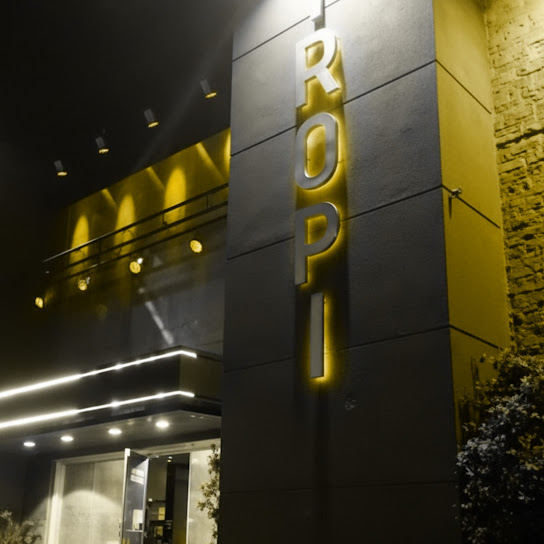
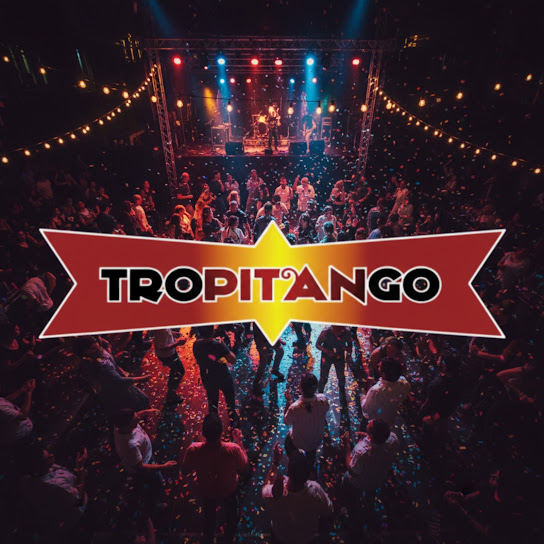
Lyrically, cumbia villera uses the vocabulary of the marginal and lower classes, like the Argentine lunfardo and lenguaje tumbero ("gangster language" or "thug language"), and deals with themes such as the everyday life in the villas miseria (slums), poverty and misery, the use of hard drugs, promiscuity and/or prostitution, nights out at boliches (discos and clubs) that play cumbia and other tropical music genres (such as the emblematic Tropitango venue in Pacheco), the football culture of the barras bravas, delinquency and clashes with the police and other forms of authority, antipathy towards politicians, and authenticity in being true villeros (inhabitants of the villas).
Musically, cumbia villera bases its sound in a heavy use of synthesizers, sound effects, keyboard voices, keytars, electronic drums, and other elements from electric instruments. Cumbia villera's characteristic sound was created using influences from Colombian and Peruvian cumbia, cumbia sonidera and cumbia santafesina in the realm of cumbia, and from reggae, ska, Argentine folklore, and electronic music in other music genres.